At the Greater Cradle Nature Reserve, sustainability is not a standalone concept
it is the foundation of how we conserve, operate, and engage. As custodians of land within the Cradle of Humankind World Heritage Site, we recognise our responsibility to protect irreplaceable natural and cultural heritage while ensuring that today’s actions strengthen the future.
Our sustainability ethos is rooted in long-term ecological integrity, guided by science, and reinforced through responsible land management. We prioritise the restoration and protection of indigenous ecosystems, actively manage invasive species, and apply conservation practices that enhance biodiversity, water security, and grassland resilience.
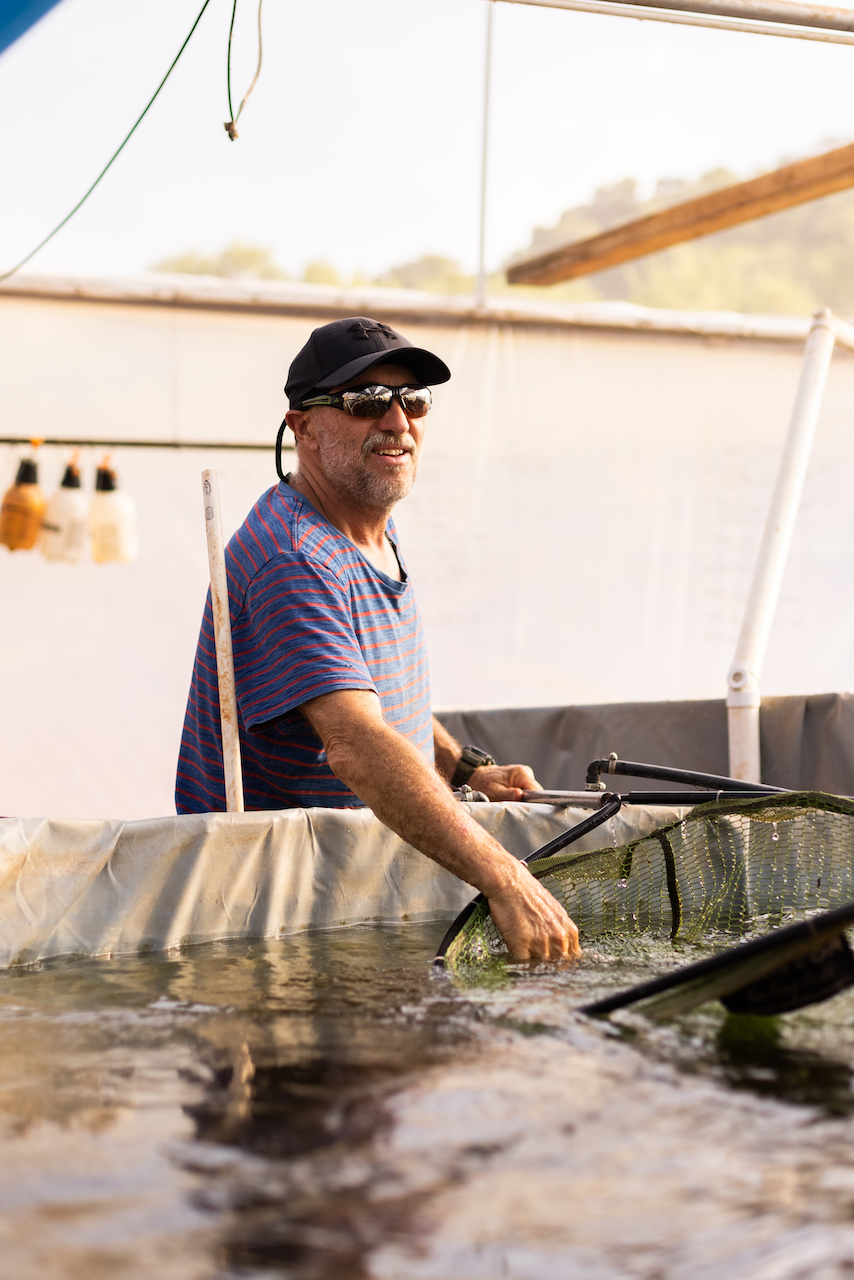
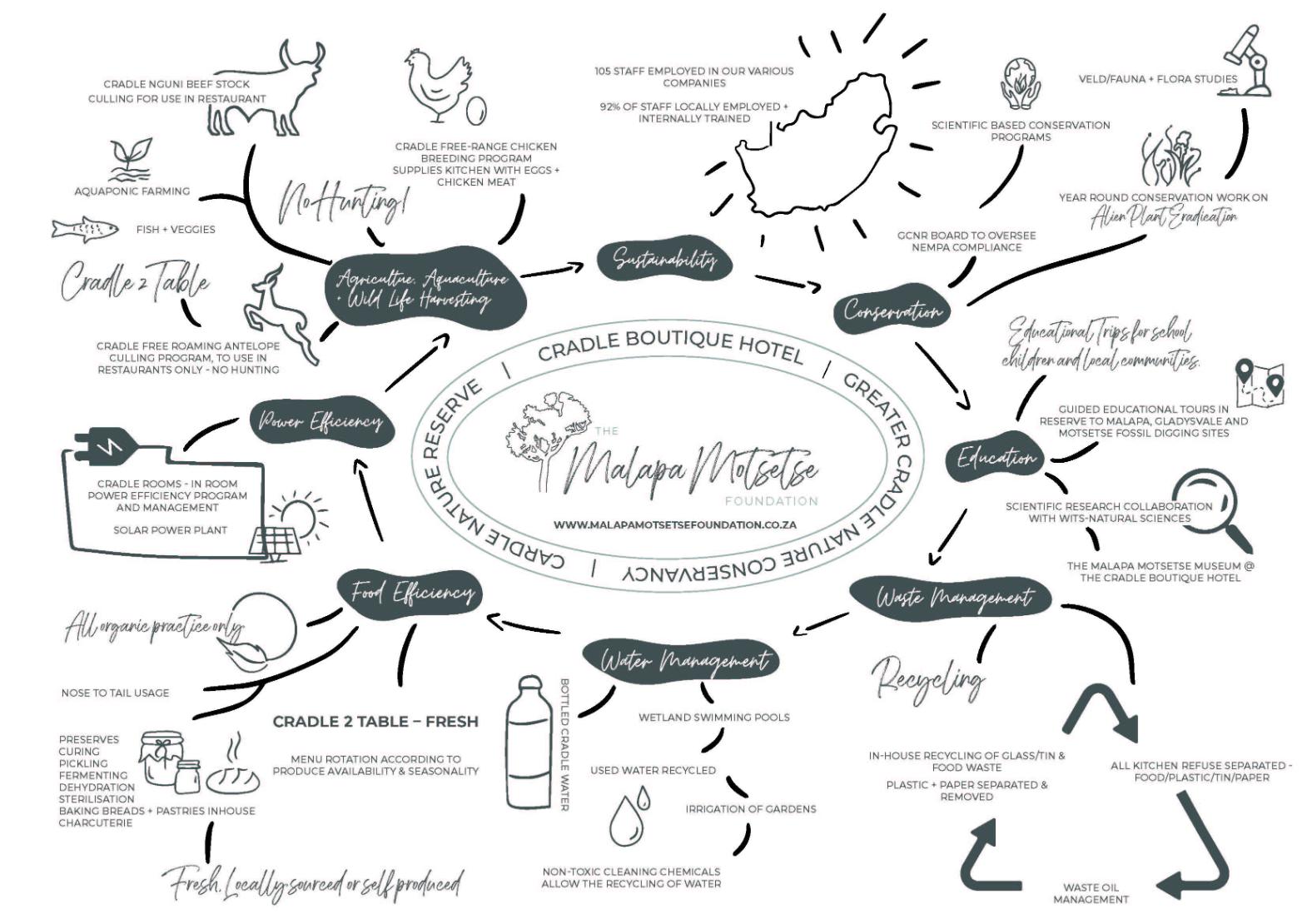
GCNR embraces a circular and regenerative approach to sustainability. By reducing waste, reusing resources, and transforming by-products into valuable inputs, we demonstrate how conservation landscapes can function as self-sustaining systems. This philosophy underpins our Cradle to Table model, where sustainability is embedded across food systems, operations, and environmental stewardship.
We believe sustainability must also be socially inclusive. Through education, research partnerships, and community programmes delivered via the Malapa Motsetse Foundation, we empower people to become active participants in conservation. By investing in knowledge, skills, and local livelihoods, we ensure that environmental protection and community wellbeing advance together.
Ethical governance and responsible partnerships guide every aspect of our work. All development, tourism, and research activities within GCNR are carefully managed to align with World Heritage Site requirements and conservation best practice, ensuring that growth never compromises ecological or cultural value.