In the heart of the Cradle World Heritage Site
Guided by specialists, you will be transported by open safari vehicle through the pristine highveld and bushveld landscape of the Greater Cradle Nature Reserve to two of the world’s most famous fossil sites – Gladysvale and Malapa. These active dig sites, which are not accessible to the general public, continue to yield hominin and animal fossils of international scientific importance.
GLADYSVALE CAVE
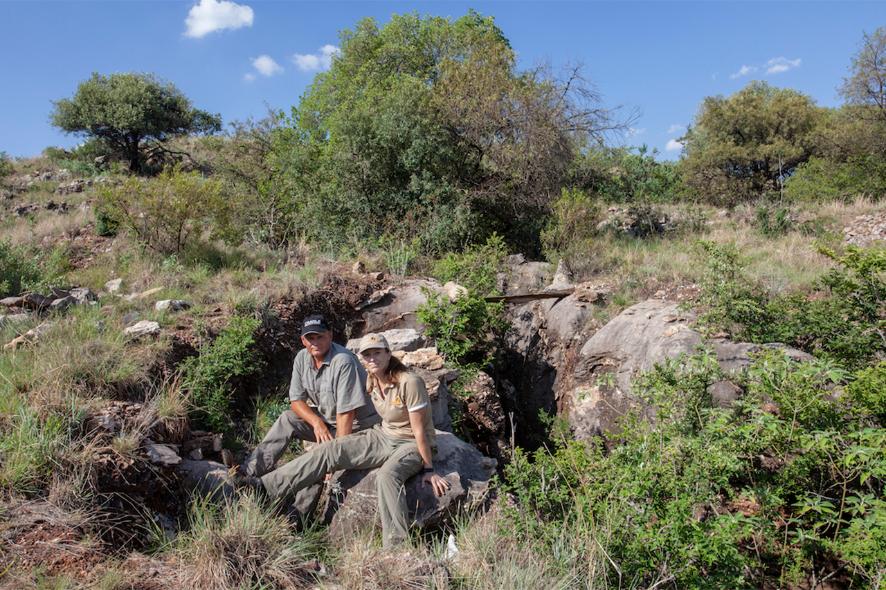
Gladysvale Cave has yielded over a quarter of a million animal fossils since the mid 1930s, including hominid fossils attributed to Australopithicus africanus and early Homo. Millions of fossils remain embedded in the cave awaiting excavation. The tour explains the process of fossilization with reference to the numerous fossil-encased breccia blocks at the site.
MALAPA CAVE
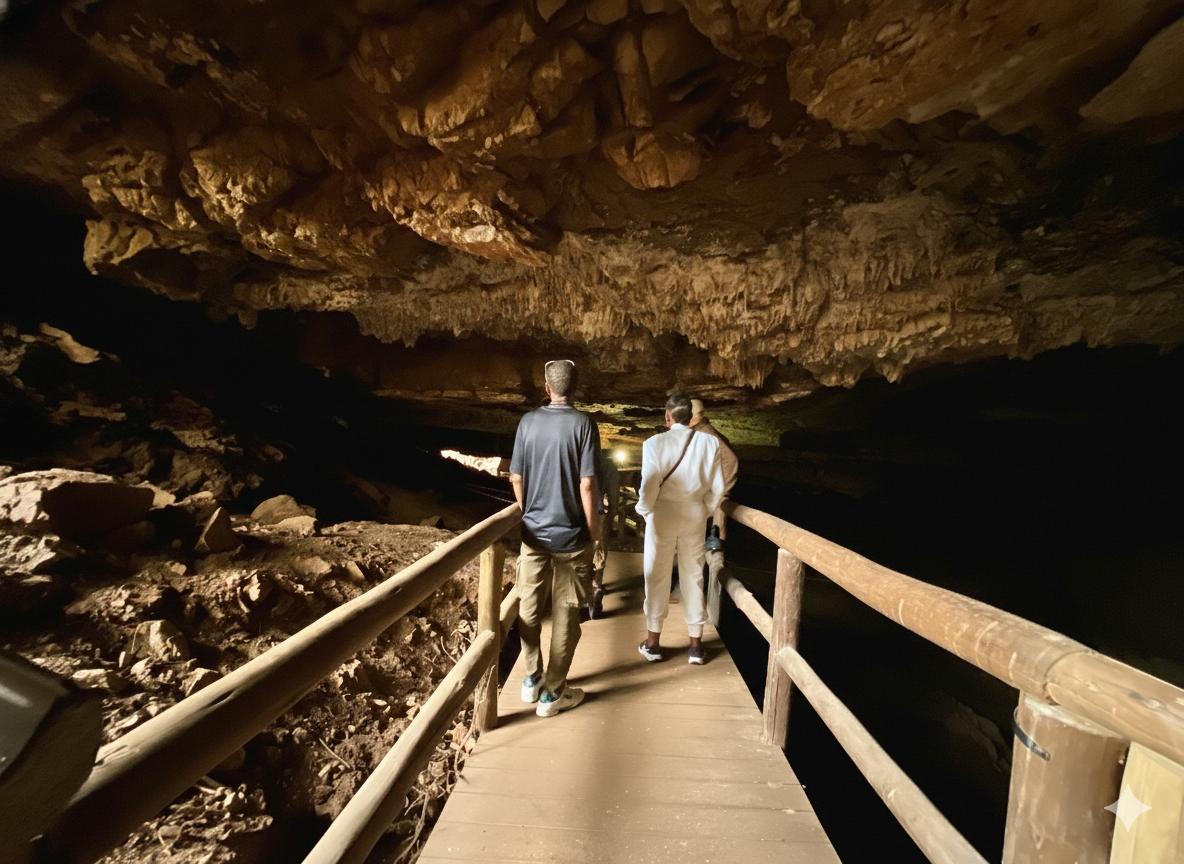
Malapa Cave is the piece de resistance of the tour and the site where a new species of hominid, Australopithicus sediba, was discovered in 2008. The find, comprising almost complete skeletons of an adult female and a juvenile, represented the most important discovery of early hominid skeletons anywhere in the world. Many more important fossils are embedded in the rocks, awaiting excavation.
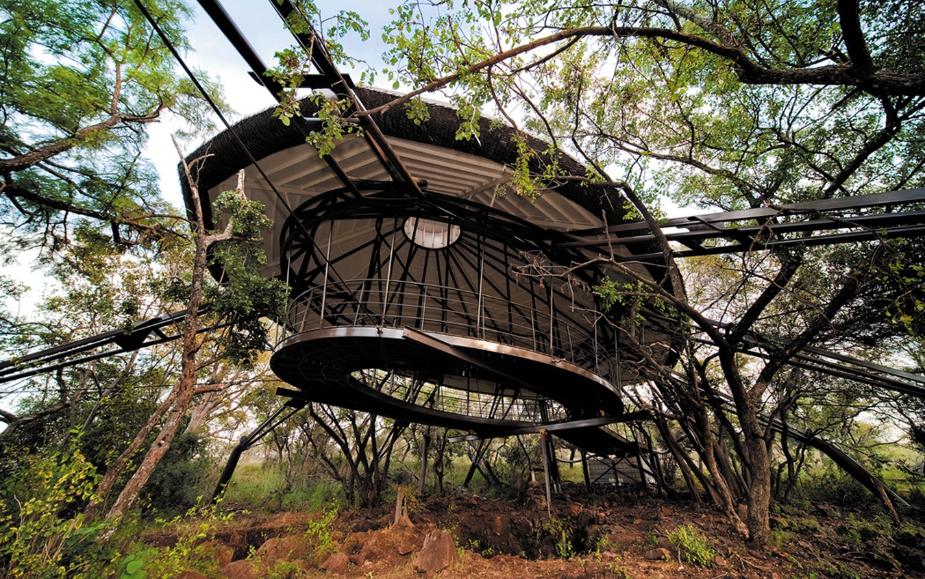
MALAPA MUSEUM
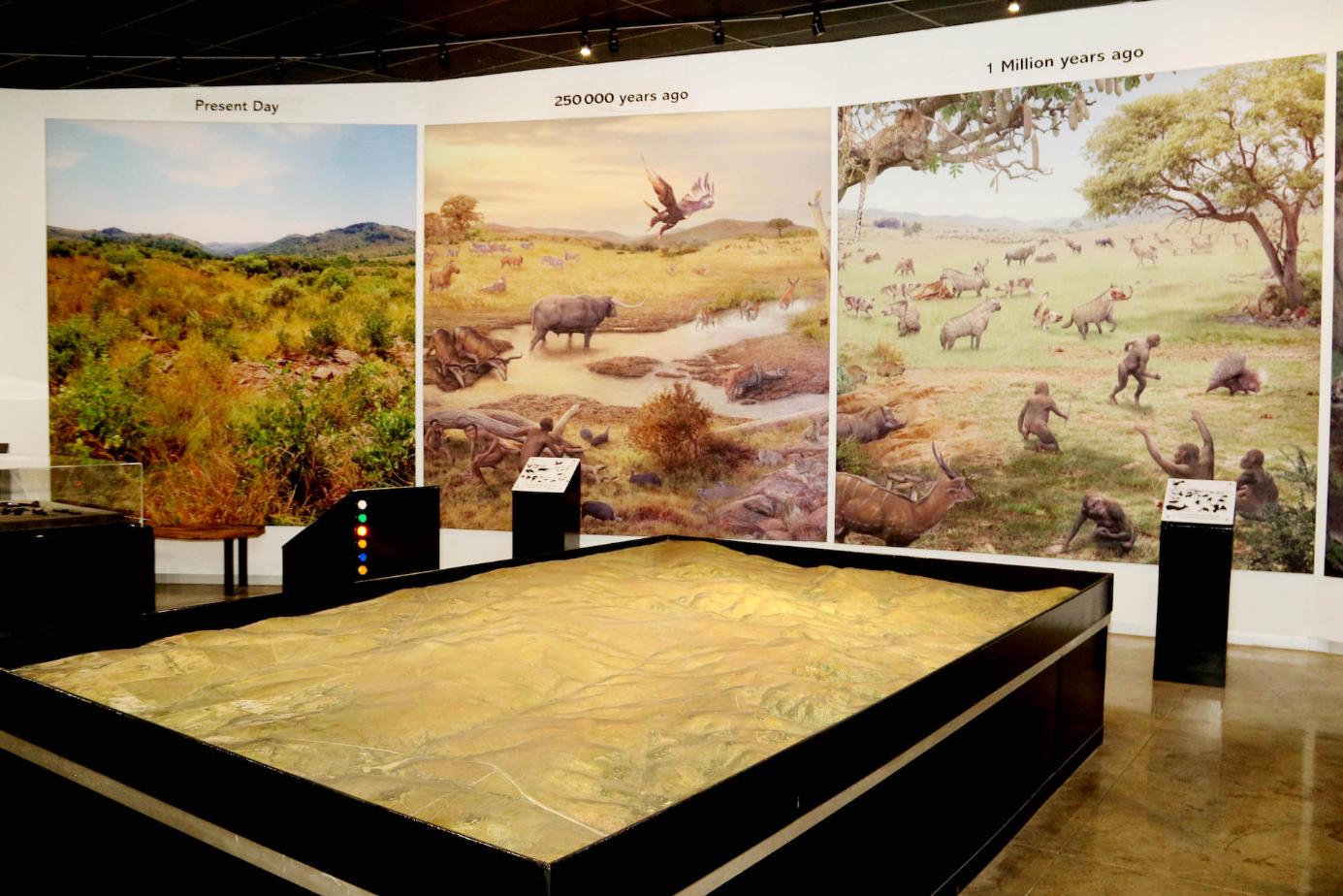
Conclude your tour with a visit to the Malapa Museum, a beautifully curated space financed by the Lee. R. Berger Foundation, National Geographic Society and Malapa Motsetse Foundation. It takes visitors on a journey into the deep past, exploring some of the world’s most important archaeological discoveries that were made on the Reserve.
The museum includes life-size castes of the adult and juvenile Austalopithicus Sediba discovered at the Malapa dig site and an active laboratory, operating in the museum. Here visitors can observe skilled preparators at work on fossils that originate from one of the many sites on the Reserve.