We exist to protect, manage, and sustain
The Greater Cradle Nature Reserve is a protected conservation landscape within the Cradle of Humankind UNESCO World Heritage Site. Spanning over 9,000 hectares, the Reserve safeguards ecologically and scientifically significant grasslands, fossil sites, and heritage areas of global importance.
The Greater Cradle Nature Reserve is dedicated to responsible land management, biodiversity protection, and the preservation of world-renowned palaeoanthropological sites such as Malapa, Motsetse, and Gladysvale. Through active conservation programmes the Reserve protects the integrity of this extraordinary landscape.
The Greater Cradle Nature Reserve is more than a protected area — it is a living conservation system that protects the past, sustains the present, and invests in the future.
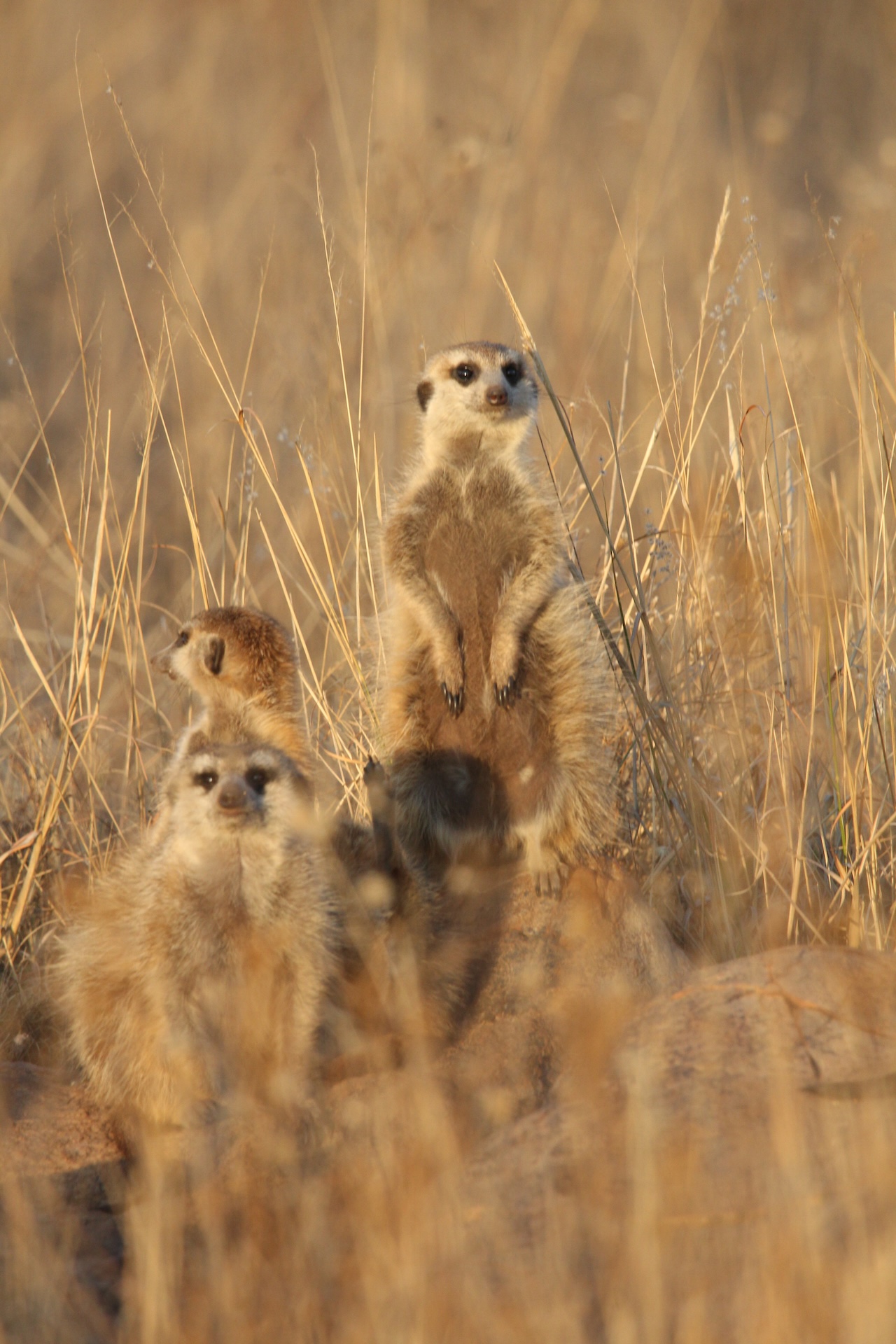
At the heart of GCNR’s work is active conservation management.
This includes grassland and habitat restoration, fire and erosion control, and a comprehensive Alien Invasive Plant Programme targeting species such as pompom weed and black wattle. These interventions are essential to protecting biodiversity, water security, and the ecological integrity of the Cradle’s grassland biome.
GCNR is also a globally recognised centre for scientific research and discovery. The Reserve hosts some of the world’s most important palaeoanthropological sites, including Malapa, Motsetse, and Gladysvale, and supports ongoing research led by leading institutions such as the National Geographic Society and University of the Witwatersrand, and other national and international partners. By protecting these sites and enabling long-term research access, GCNR contributes directly to advancing knowledge about human origins, past climates, and evolutionary history.

Sustainability is embedded in both the Reserve’s philosophy and daily operations
GCNR applies circular economy principles that reduce environmental impact while creating long-term resilience. Through integrated waste management, regenerative land-use practices, and environmentally responsible tourism, the Reserve demonstrates how conservation landscapes can be economically viable while remaining ecologically sound.
Through the Malapa Motsetse Foundation, GCNR extends its impact beyond conservation into education, community development, and public awareness. School outreach programmes, youth initiatives, environmental education, and community partnerships ensure that conservation benefits are shared and that surrounding communities play an active role in protecting the Cradle landscape.
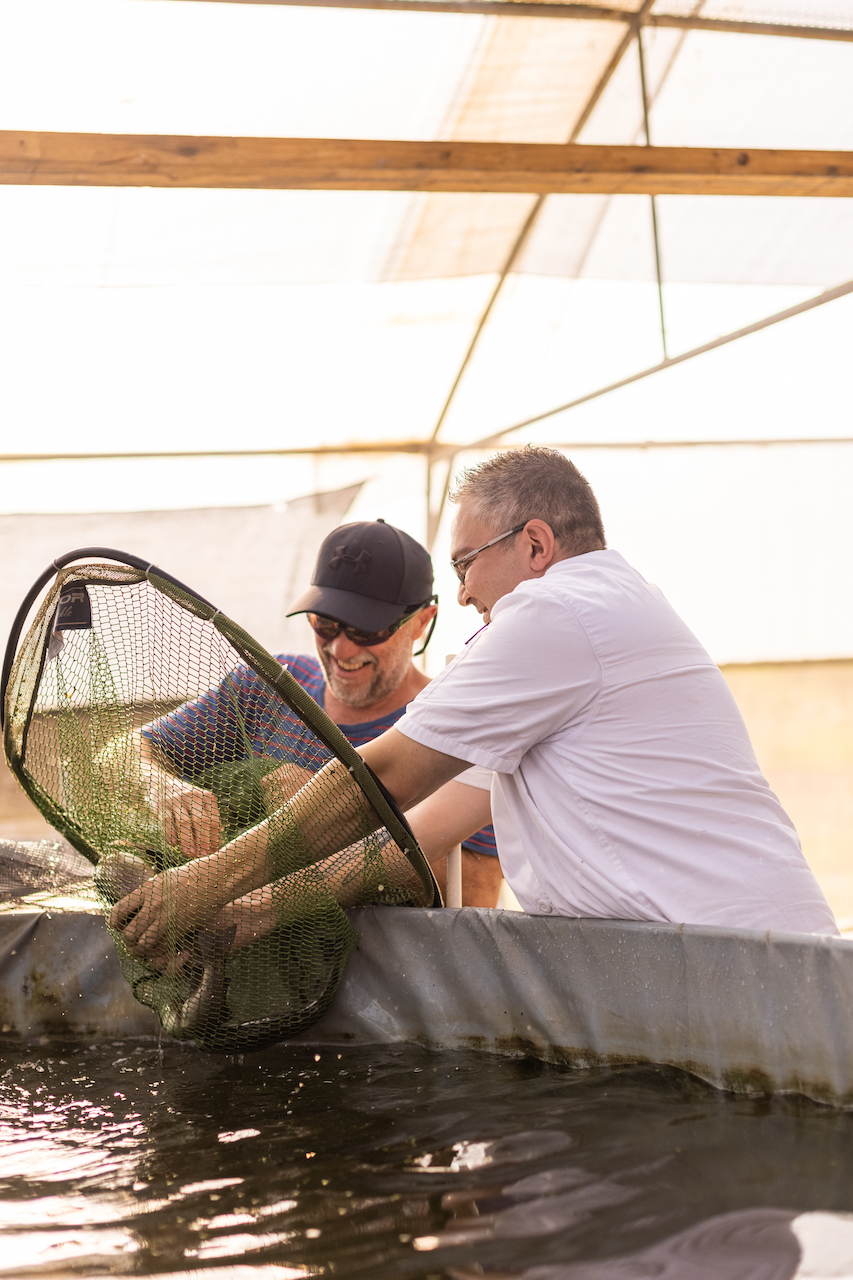
Aquaponics farming forms part of GCNR’s regenerative sustainability model. By integrating fish cultivation with soil-free vegetable production, the system recirculates water and nutrients in a closed-loop environment, minimising waste while maximising resource efficiency. This innovative approach supports local food production, strengthens environmental education initiatives, and demonstrates practical, low-impact agricultural solutions aligned with the Reserve’s circular economy principles.
GCNR also contributes meaningfully to the regional economy through employment creation, eco-tourism, heritage tourism, and film production, demonstrating that conservation, when well-managed, can be a powerful driver of inclusive and sustainable development.
Ultimately, the Greater Cradle Nature Reserve represents a living conservation system, one that protects the past, sustains the present, and invests in the future of both people and nature.
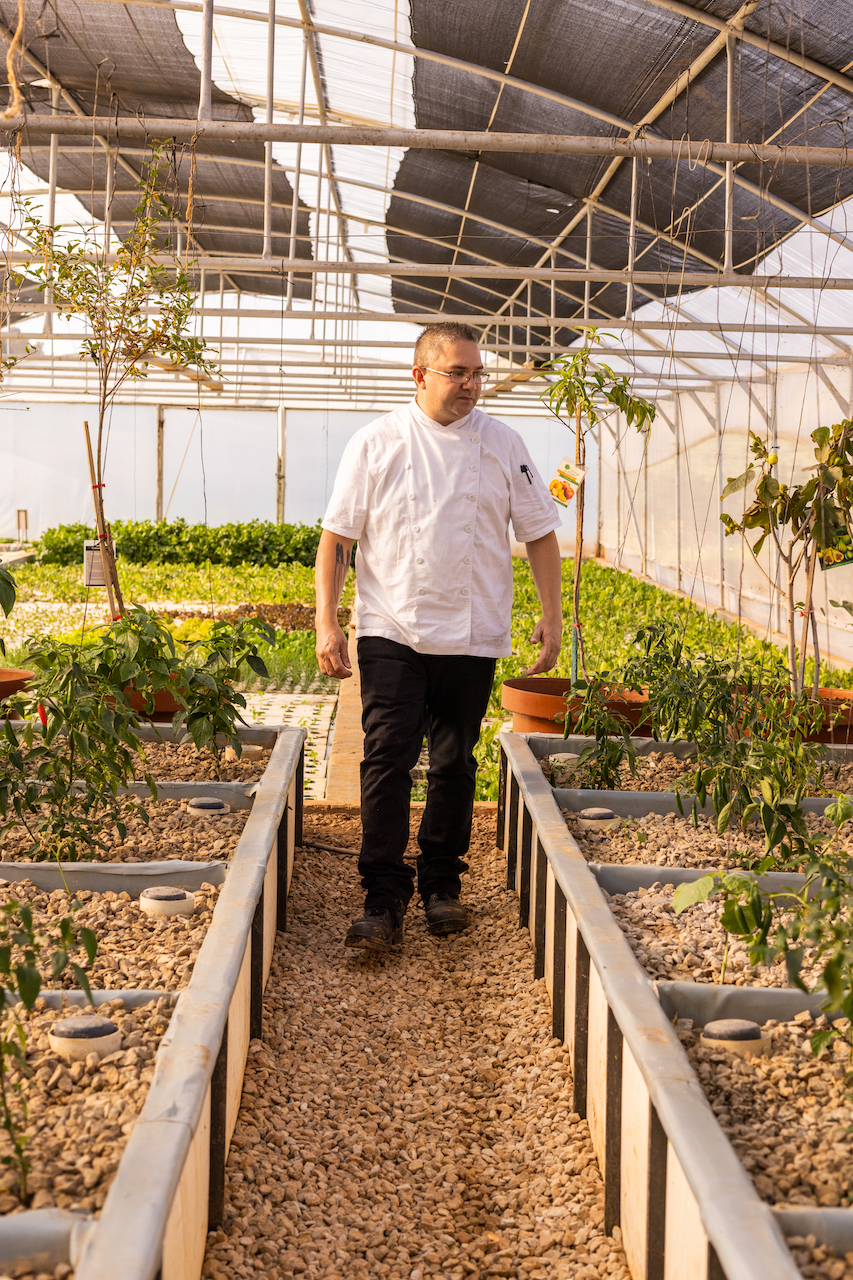
Closing the loop: fresh produce grown through our aquaponics system supports our Cradle-to-Table sustainability model
Our Conservation Mandate
Our Vision
To be a globally respected conservation landscape within the Cradle of Humankind where nature, science, heritage, and communities thrive together, ensuring the protection of irreplaceable ecosystems and human history for generations to come.
Our Mission
To protect, restore, and manage the natural and cultural heritage of the Greater Cradle landscape through science-based conservation, responsible land stewardship, and sustainable development.
We advance research, education, and community empowerment while embedding sustainability into all operations, balancing environmental integrity with social and economic value.
Our Values
Environmental Stewardship
We act as custodians of biodiversity, grasslands, and ecosystems through ethical, evidence-based conservation.
Heritage Protection
We safeguard fossil, archaeological, and cultural sites of outstanding universal value.
Scientific Excellence
We support rigorous research, learning, and discovery through partnerships with academic institutions and researchers.
Sustainability in Practice
We apply circular economy and regenerative principles to ensure long-term ecological and operational resilience.
Community Empowerment
We believe conservation is strongest when communities are informed, involved, and economically included.
Responsible Growth
We promote development that aligns with conservation priorities, ethical governance, and long-term impact.
AIMS AND OBJECTIVES OF THE GCNR ASSOCIATION
- Create a single, viable and representative nature reserve with associated wildlife through conservation and the promotion of biodiversity.
- Realise the conservation and economic potential created through joint and cooperative establishment of the GCNR, which would not be possible on an individual basis due to the fragmented nature of the landholdings in the GCNR;
- Develop and manage the wildlife and game of the GCNR with a view to the economic sustainability of the GCNR and use the renewable resources of the GCNR commercially in a responsible manner based on the principle of economic and environmental sustainability.
- allow controlled and paid-for public access to the GCNR for the purposes of recreational, educational, and commercial activity.
- maximise, for adjoining communities and their members, the benefits of the strategic location of the GCNR within the Cradle of Humankind World Heritage Site through allowing the development, in a responsible manner, of eco-tourism attractions and facilities within the GCNR and enhance, through employment opportunities and socio-economic programmes, the living standards of the adjoining communities.
- Support and encourage the discovery, scientific investigation, conservation and protection of fossils and fossil sites within the GCNR and co-operate with local universities in the fields of palaeoanthropology, archaeology and natural sciences in order to fulfil this aim;
- Foster the scientific, educational, and personal appreciation and understanding of the fossils and fossil sites within the GCNR by the general public.
- Encourage and facilitate paleo-tourism and eco-tourism;
- Act in any manner or do all such things as may be necessary or incidental to the attainment of the above Aims and Objectives.