HUMAN ORIGINS TOUR
The tour takes 3,5-4hrs, it proceeds to the viewpoint for a geology overview. Included in this overview is a short history of earth, the formation of the continents and the emergence of the Kaapvaal craton as the first permanent continental landmass. Also visible to the south is the Witwatersrand Supergroup, one of the oldest intact sedimentary basins on earth and host to the worlds biggest deposit of gold. Visible to the north is the Magaliesberg mountain range, one of the oldest mountain ranges in the world. It is also the southern geological marker for the Bushveld Igneous Complex, which is the world’s biggest deposit of Platinum.
The tour proceeds a short distance to the deathtrap and bone collector (sinkhole) where the guide explains the deposition of dolomite, the creation of a breathable atmosphere, the formation of caves and their role in accumulating and protecting bones. Also covered here are the continental uplift events peculiar to Africa and how this contributed to the creation of savannahs and grasslands and how that geological event played a pivotal role in the emergence of the homonin line.
The tour then drives to Gladysvale Cave where the fossilization process is described and pointed out just inside the cave entrance.
At the Gladysvale lime kiln the guide will describe the role that lime miners had in the discovery of fossils in South Africa and present a short history of palaeoanthropology in South Africa, mentioning the key finds
Gladysvale is an active excavation site and weekday tours have the opportunity to interact with researchers at the site
The tour then proceeds to the Malapa site, which is an active site and the guide will explain the importance of Australopithecus sediba as a transitional species between Mrs. Ples/Lucy and Homo erectus. Weekday tours will have the opportunity to interact with the scientists on site.
The Malapa Observation Deck and Working Platform is known as ‘The Beetle’ amongst researchers and it is a multi-award winning structure that straddles the site. The guide will point out the unique architectural features of the structure from which visitors can look down on the researchers at work and interact with them. Malapa is the second most prolific homonid producing site on the African continent
The guide will then narrate the interesting back story, involving lime miners, that serendipitously led to Lee Berger’s son Matthew spotting a block of breccia containing a homonid clavicle thrown off the site by a miners’ blast
Guests can then visit the Malapa Museum at a discounted entrance fee of R70 per person.
3,5 - 4 Hours
Rate Per Person
R2 298 per person
Minimum amount allowed on tour
R2 298 per person
R1 875 per person
R1 500 per person
Maximum amount allowed on tour
CLASSIC CRADLE TOUR
The Classic Cradle Tour offers guests an alternative experience. Visitors can personally interact with researchers at the Umsuka Science Hub as they extract fossils from the breccia and they can physically see fossils embedded in the breccia inside the Motsetse cave, Within this cave the famous False Sabre-toothed cat ( Dinofelis piveteoui) was discovered. The tour includes a guided visit to the Malapa Museum, which is up to date and beautifully curated by Prof. Lee Berger.
It’s timing suits visitors that are looking for a shorter, but comprehensive, overview of the discoveries made to date in both the Cradle of Humankind World Heritage site and at the sites in East Africa.
The tour takes 2-2,5hrs
Sites visited include the Umsuka Science Hub, a viewpoint, Motsetse Cave, the lime kiln and the Malapa Museum
The tour proceeds a short distance to Motsetse Cave where the guide explains the deposition of dolomite, the creation of a breathable atmosphere, the formation of caves and their role in accumulating and protecting bones. Also covered here are the continental uplift events peculiar to Africa and how this contributed to the creation of savannahs and grasslands and how that geological event played a pivotal role in the emergence of the homonin line.
At the Motsetse lime kiln the guide will describe the role that lime miners had in the discovery of fossils in South Africa and present a short history of palaeoanthropology in South Africa, mentioning the key finds
The guide will also point out the sangar built during the Great South African War [1899-1902] as head and shoulders protection for British soldiers seeking to prevent Boer soldiers from getting behind British lines to raid their supply columns.
Return to the restaurant and the guide will accompany visitors into the Malapa Museum and interpret the displays.
2,5 - 3 Hours
Rate Per Person
R1 095 per person
Minimum amount allowed on tour
R1 030 per person
R785 per person
R595 per person
R595 per person
Maximum amount allowed on tour
PALAEO+ TOUR
The tour takes 4-4,5hrs
Sites visited include the Umsuka Science Hub [new], the viewpoint, the death trap and bone collector [the sinkhole], Gladysvale cave and the Malapa excavation. The active Motsetse site is also visited as a new offering
The PALAEO+ tour starts around 09h00 with a site orientation in the Malapa Museum at the map table
The PALAEO+ tour then proceeds to the Umsuka Science Hub. This is a project supported by the Lee R Berger Foundation and the Malapa-Motsetse Foundation to promote citizen science and to afford visitors the opportunity to interact with specialists carefully removing fossils from their breccia encasement. Nowhere else in the world can visitors have such unfettered access to experts in the fields of palaeoanthropology and palaeontology. The Science Hub is open only on weekdays.
After about 30 minutes of interaction at the Science Hub, the tour proceeds to the viewpoint for a geology overview. Included in this overview is a short history of earth, the formation of the continents and the emergence of the Kaapvaal craton as the first permanent continental landmass. Also visible to the south is the Witwatersrand Supergroup, one of the oldest intact sedimentary basins on earth and host to the world’s biggest deposit of gold. Visible to the north is the Magaliesberg mountain range, one of the oldest mountain ranges in the world – one hundred times older than Mt. Everest. It is also the southern geological marker for the Bushveld Igneous Complex, which is the world’s biggest deposit of Platinum.
The tour proceeds a short distance to the deathtrap and bone collector (sinkhole) where the guide explains the deposition of dolomite, the creation of a breathable atmosphere, the formation of caves and their role in accumulating and protecting bones. Also covered here are the continental uplift events peculiar to Africa and how this contributed to the creation of savannahs and grasslands and how that geological event played a pivotal role in the emergence of the homonin line. The
The tour then drives to Gladysvale Cave where the fossilization process is described and pointed out just inside the cave entrance
At the Gladysvale lime kiln the guide will describe the role that lime miners had in the discovery of fossils in South Africa and present a short history of palaeoanthropology in South Africa, mentioning the key finds
Gladysvale is an active excavation site and weekday tours have the opportunity to interact with researchers at the site
Gladysvale is a good place to enjoy the snacks provided and for the guide to recap key parts of the tour and to give some background to the next stop at the Malapa excavation site
The tour then proceeds to the Malapa site, which is also an active site and the guide will explain the importance of Australopithecus sediba as a transitional species between Mrs. Ples/Lucy and H. erectus. Weekday guests will have the opportunity to interact with the scientists on site
The Malapa Observation Deck and Working Platform is known as ‘The Beetle’ amongst researchers and it is an award-winning structure that straddles the site. The guide will point out the unique architectural features of the structure from which visitors can look down on the researchers at work and interact with them. Malapa is the second most prolific homonid producing site on the African continent
The guide will then narrate the interesting back story, involving lime miners, that serendipitously led to Lee Berger’s son Matthew spotting a block of breccia containing a homonid clavicle thrown off the site by a miners’ blast
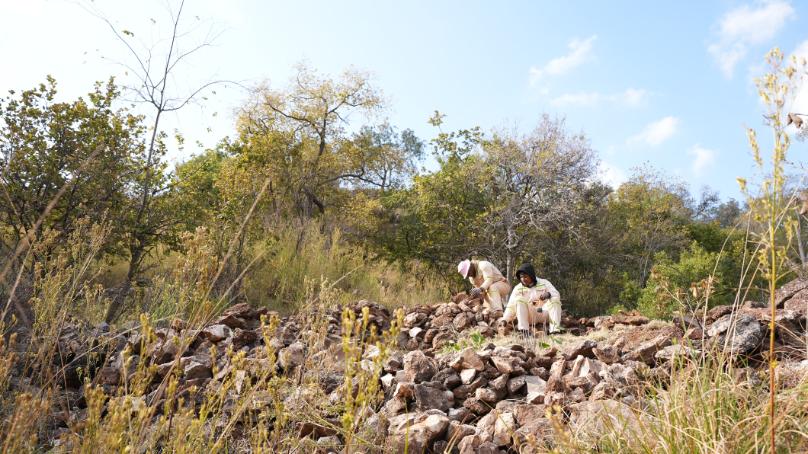
After Malapa, the tour proceeds by vehicle to the Motsetse cave. This is also an active site where the guide points out the breccia that has been hardened by lime rich water leaching out of the dolomitic rock onto the infill below. Cave infill contains sand, stone, leaves, sticks and the bones of creatures that fell into the cave, died in the cave or that were dragged into the cave by predators and scavengers millions of years ago.
The guide will then point out fossils protruding from the breccia and visitors can do a little fossil hunting for themselves
Also, at Motsetse is a Boer War sangar. A sangar is a head and shoulders protection made of rocks with rifle ports. These were first used by the British imperial troops in the Anglo-Afghan campaign [1838-1842] as protected firing positions where rocky terrain made trench digging almost impossible
The guide will also explain how the use of sangars were slightly modified by the British imperial forces in the Great South African War [1899-1902] in an attempt to prevent boer commandos from getting behind British lines to raid their slow moving supply columns.
Visitors can then visit the Malapa Museum. Entrance fee is included in the tour price.
4,5 - 5 Hours
Rate Per Person
R2 456 per person
Minimum amount allowed on tour
R2 456 per person
R2 025 per person
R2 025 per person
Maximum amount allowed on tour
IRON AGE WALKING TRAIL
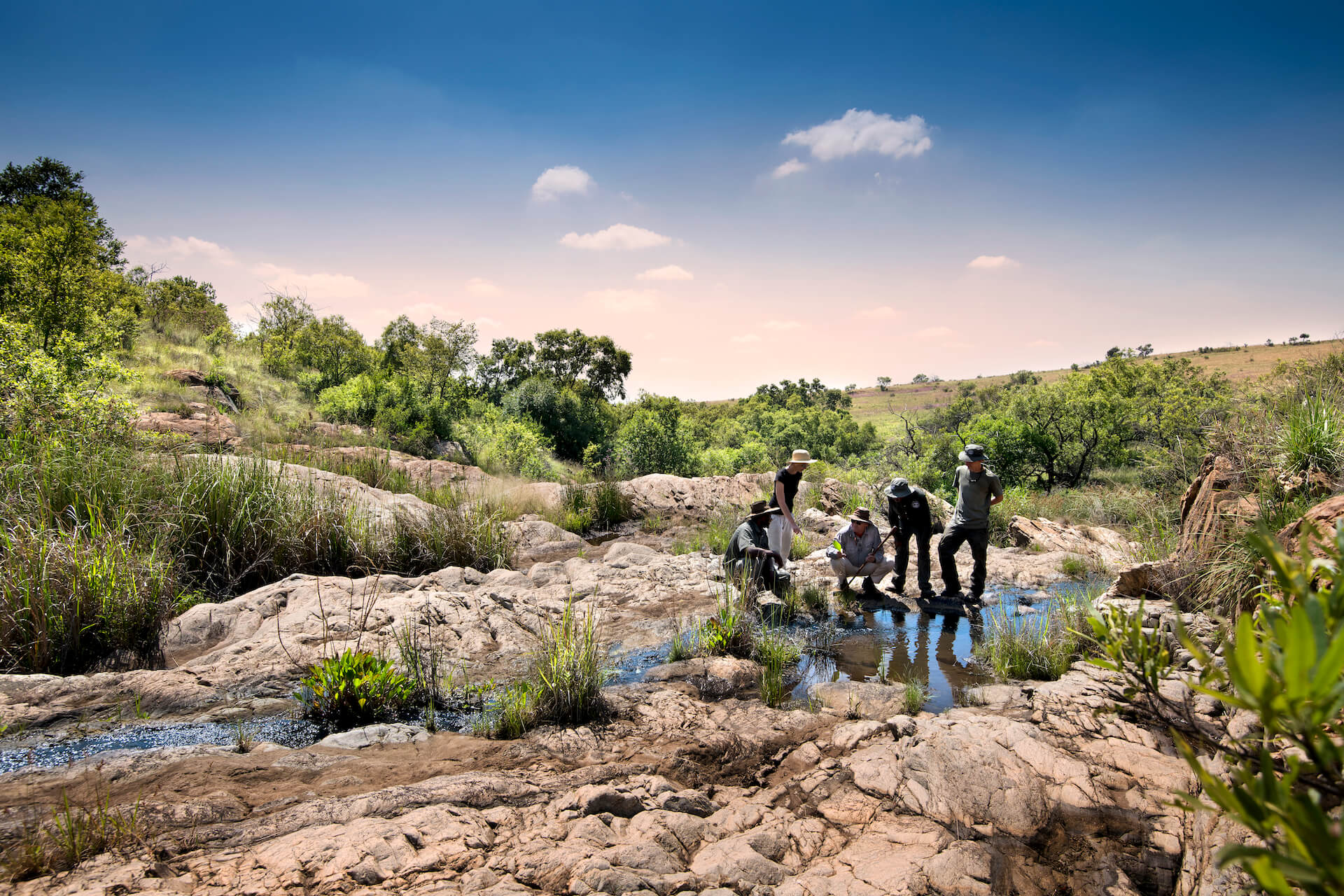
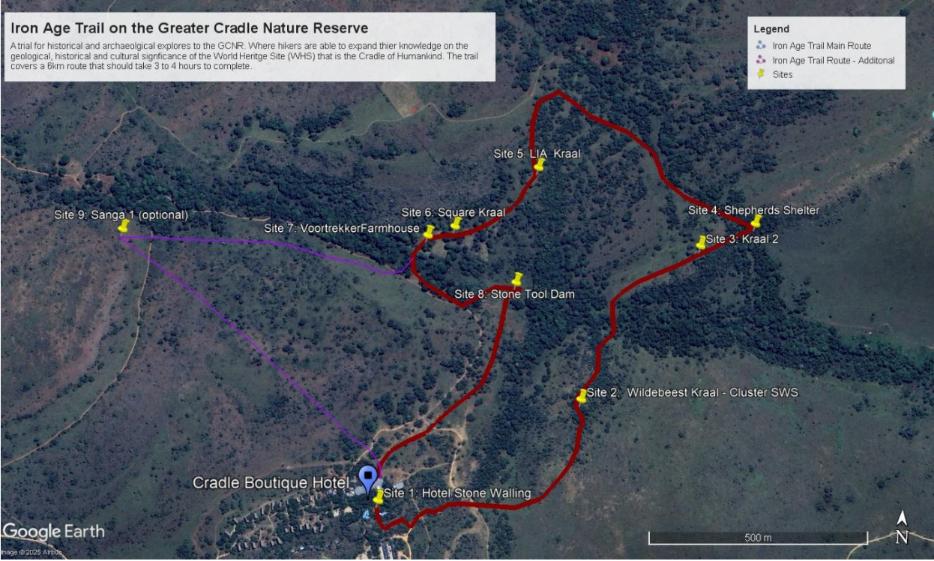
The Iron Age Trail was developed to showcase the rich collection of stone walling around the Cradle Boutique Hotel. These stonewalls are evidence of a rich pastoralist/agriculturist and smelting community that lived in the area between 200 years ago and 1,200 years ago.
The tour takes 3,5-4hrs and is 5-6km long
Proceed to the Wildebeest Kraal and present an overview of the Iron Age in southern Africa touching on the Central Cattle Pattern [CCP] theory developed by Tom Huffman.
Proceed via Kraal 2 to the Shepherds Shelter. Here the guide will point out that the CCP theory is not evident in this scattered settlement – it appears that it was likely to be a shepherds settlement or a lookout base.
Proceed via Jims grave to the LIA Kraal where the guide presents an overview of the dolomitic caves and sinkholes and how the deposition of dolomite made the oxygen that we all breathe today
Proceed via the stone tools to the Square Kraal and the Voortrekker Farmhouse. Present an overview of Mzilikazi, the Voortrekkers and their interactions with the Iron Age Sotho/Tswana peoples. Three transitions.
Proceed along the north side of the Motsetse drainage line to the Boer War sangar and present an overview of the Great South African War of 1899-1902.
3,5 - 4 Hours
Rate Per Person
R985 per person
Minimum amount allowed on tour
R985 per person
R785 per person
R495 per person
R365 per person
R350 per person
Maximum amount allowed on tour
3,5 - 4 Hours
Rate Per Person
R985 per person
Minimum amount allowed on tour
R985 per person
R785 per person
R495 per person
R365 per person
R350 per person
Maximum amount allowed on tour
HIKE INTO HISTORY TOUR
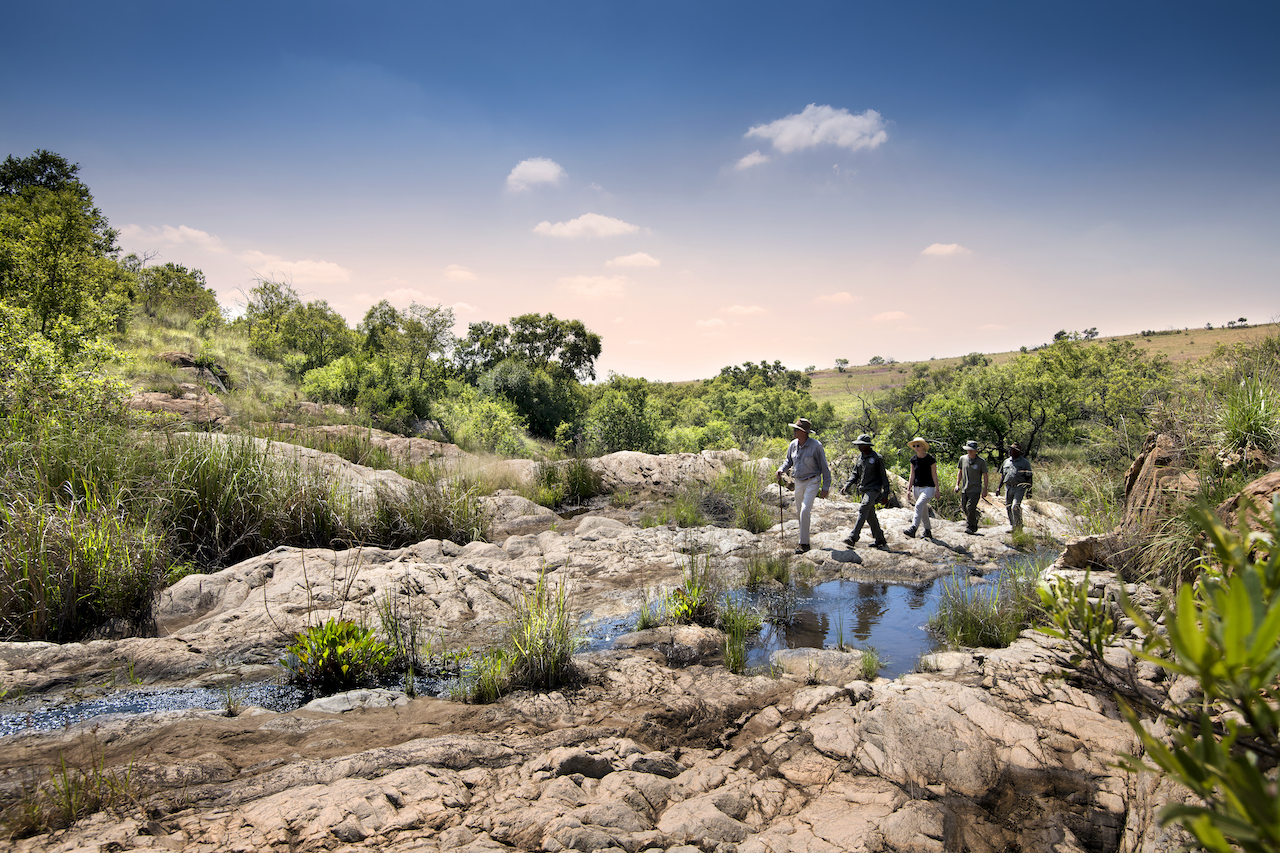
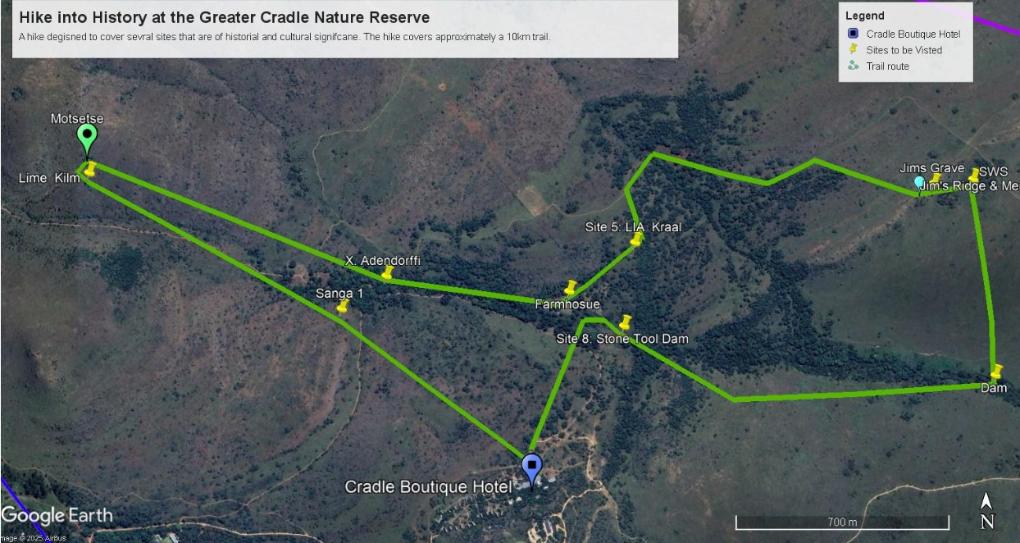
The Hike into History learn about the rich history of the Cradle of Humankind World Heritage Site. The hike touches on a number of transitions that occurred in the area from the emergence of the homonin line, through the Stone Age, into the Iron Age, the Difeqane (the Great Crushing), the arrival of the Voortrekkers and finally the various battles and skirmishes of the Great South African War (Anglo-boer War 1899 to 1902).
The tour takes 3,5-4hrs and is about 10km long
BIRD WATCHING TOUR
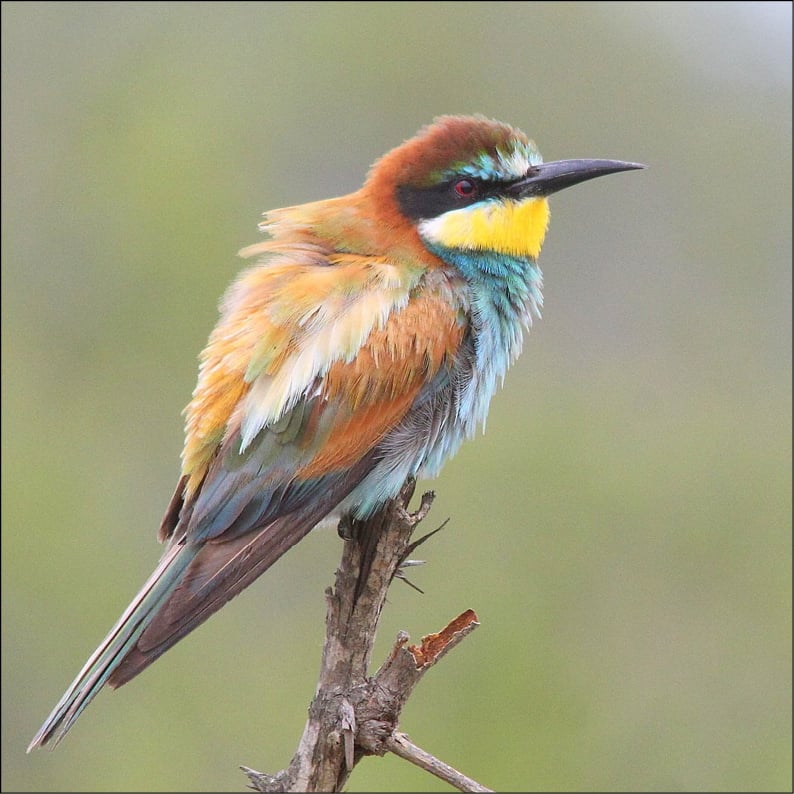
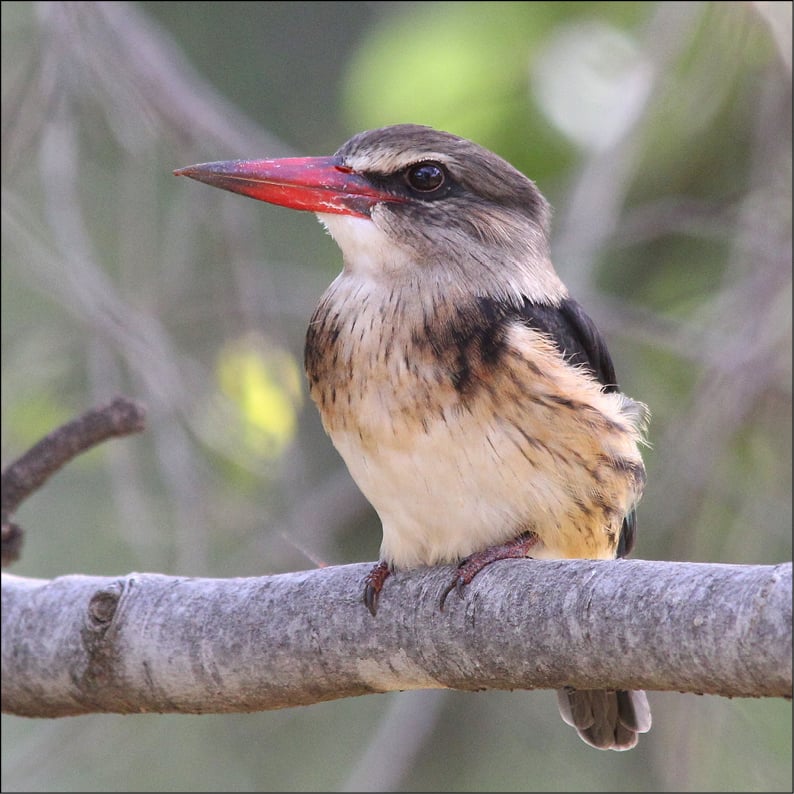
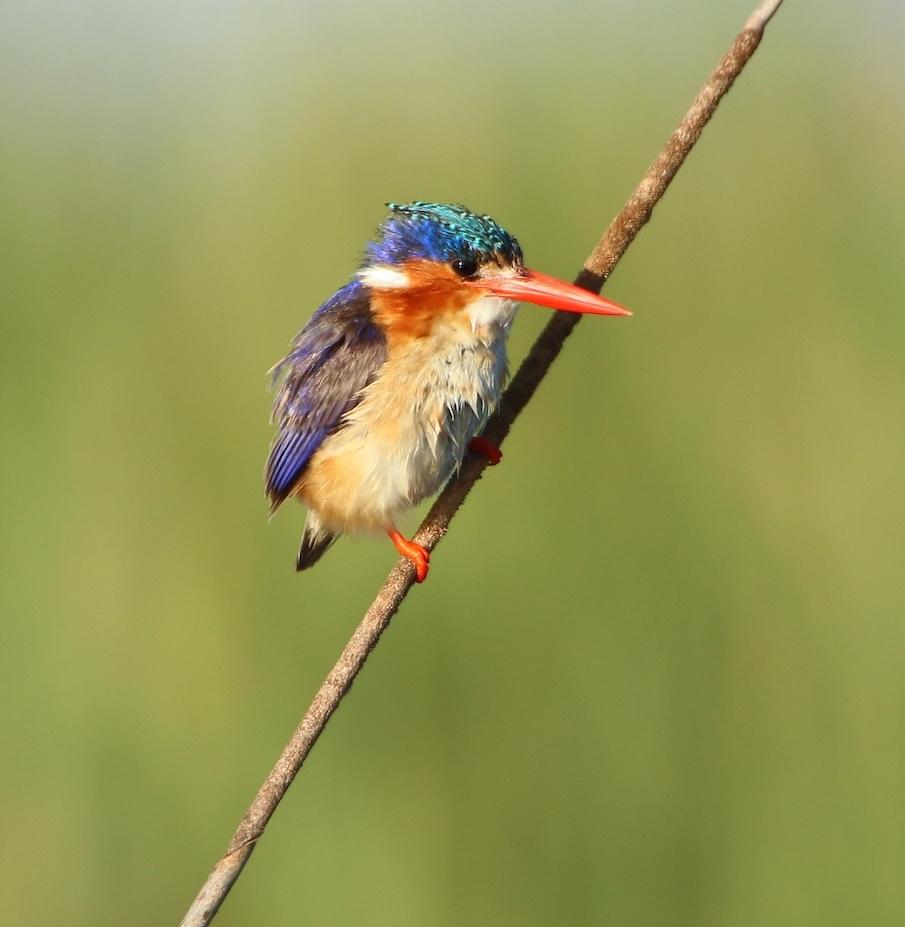
Discover the wonders of the Greater Cradle Nature Reserve with our brand-new Bird Watching Tour. This immersive experience invites you to step into a world rich with vibrant birdlife. Enjoy guided observation in a safe and tranquil environment as our experts help you spot, identify, and learn about the reserve’s remarkable feathered residents. Perfect for all ages and skill levels, this tour promises inspiration, discovery, and unforgettable moments in nature.
The Cradle Birding tour highlights the diverse birdlife of the Greater Cradle Nature Reserve, offering a range of habitats from grasslands and wetlands to woodlands and mountains, which provide excellent birding opportunities.
The tour takes 3,5-4hrs
The guide sources guests, collects the fees and pays GCNR their share at Reception. Remember to check that Reception writes “BW-Birding – GCNR” on their vendor receipt.
No GCH resources are required, but the booking must be recorded on the Outlook Diary and be recorded in the log sheet under the CCT page.
Guests provide their own waters and trail snacks.
Guide must inform Koos Gerber sm@thecradle.co.za of their departure time 24hrs prior to departure
Departure time is at the guides’ discretion, but in summer, afternoon thunderstorms are to be avoided.
Guests to sign indemnities at Reception.
Guide and guests to proceed to the game vehicle.
Guests will be slowly driven around the reserve, stopping at various spots and habitats in which to observe birds.
The guide can at any stage get out of the vehicle with guests and do a small walk to track specific birds, then returning to the vehicle to continue the drive.
All birds are to be recorded and added to existing GCNR Data base for future reference.
Guests then return to the restaurant where they can enjoy some cold beverages and lunch, at their own cost.